The M&A marathon for People teams

Another acquisition. Another integration. Another team to onboard. How do you successfully manage the People side of mergers and acquisitions??
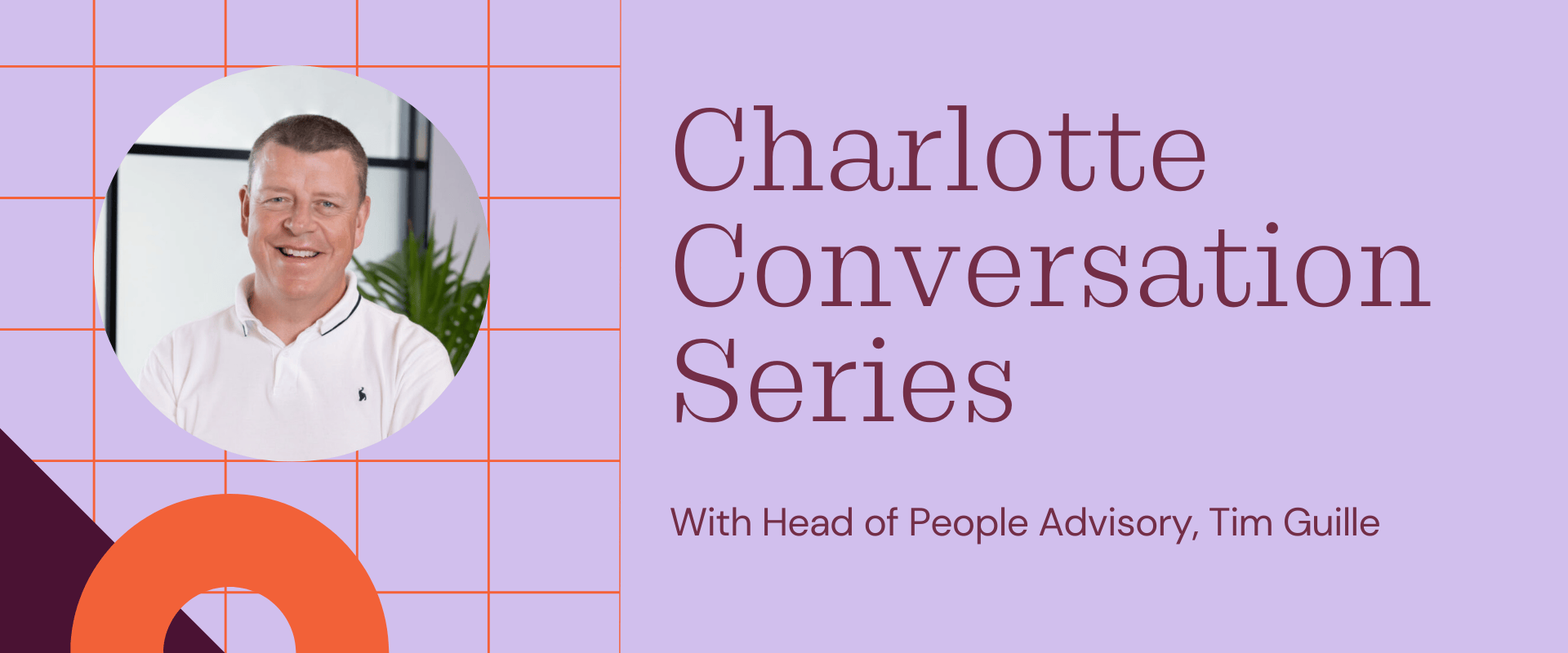
In this interview, our Head of People Advisory Tim Guille talks about the importance of communication throughout M&As, common areas of alignment and friction, and what People teams should focus on during this time.
Question 1: How do mergers and acquisitions (M&As) affect leadership structures?
There’s no world where M&As won’t shape leadership cultures; that’s a natural outcome. The priority is to establish clarity, stability and accountability. Ask what capabilities do we need in the new structure plus what already exists, and look at leadership accountability, decision-making processes and delegation.
Leaders need to be aligned operationally and strategically. People can be emotionally charged during change so it’s important to have everyone connected to the new strategy and ways of working, with clear expectations to maintain momentum and confidence.
“The priority is to establish clarity, stability and accountability.”
Question 2: What are the biggest areas of alignment and friction during M&As?
The biggest areas of alignment tend to be:
- A shared ambition for growth.
- Complementary or common offerings with similar markets (so it’s easy to bring two businesses together).
- A desire for efficiency and scale through growth, but also with ways of working and learning from each other.
Common areas of friction include:
- Leadership style differences.
- Conflicting workplace cultures, for example autonomy versus hierarchical structures.
- Employment arrangements such as payment and rewards. How is that going to look across all your employees?
- Systems & processes: some people might have to relearn part of their jobs or adjust how they work.
- Lack of clarity, causing team confusion and disengagement, which creates long-term issues for the business.
From a people point of view, successful M&As rely on frequent and transparent communication, right from the beginning. Friction comes when people are unclear, and their questions aren’t addressed.
Question 3: What HR systems need to integrate during M&As, and how?
The most important thing? Payroll. You can’t afford to disrupt people getting paid properly and on time.
A close second is employment data or your HRIS system. It’s important to integrate this early as it’s your one source of truth around employee records. Accuracy in this space is critical to allow for informed decision making.
Other important HR systems that need to be integrated during M&As are your tools for recruitment, learning and development, and performance and engagement.
If there are opposing systems, you need to evaluate which one creates the most efficiency and works best for scale.
“From a People point of view, successful M&As rely on frequent and transparent communication, right from the beginning.”
Question 4: What should People teams be focusing on in the first 90 days of an M&A?
- Stabilisation and leadership alignment. Set expectations early so there’s a consistent approach to the change. Business continuity and ensuring people feel heard, supported and informed helps create stabilisation.
- A cultural diagnostic: what are the strengths and weaknesses of each business? Where are the risks and friction points?
- Communication: ensure this is regular, consistent and transparent. Develop a one-pager that leaders can use to talk about the change.
- Data integrity and risk-management: spend time ensuring the data you’re inheriting is healthy and accurate. Beware of skeletons in the closet!
The success of an M&A comes down to leadership and communication - how it’s perceived and how your teams have been brought on the journey. Move with purpose and you’ll avoid leaving people behind.
--------------------------
We hope you enjoyed this conversation. Want to hear more from the WRC team? Head to our Articles page where the crew covers more of the most common and difficult People & HR challenges we see every month.
Need a people and culture partner who gets it? Reach out to start a conversation of your own around how WRC can support your team with an upcoming project or ongoing support.
More articles & resources
.avif)


Board table to lunch table. We're here to listen.
Every good relationship starts with a conversation, so let's begin there. Please get in touch if you'd like to discuss your People & Culture needs.