Lean Team, Big Ambitions

Your People Team is talented, adaptable and stretched thin so strategic work keeps getting pushed to next quarter. We see this a lot and it can quietly erode momentum and strategic alignment over time. It also impacts team morale when they’re ‘never quite getting’ to the bigger pieces of work.
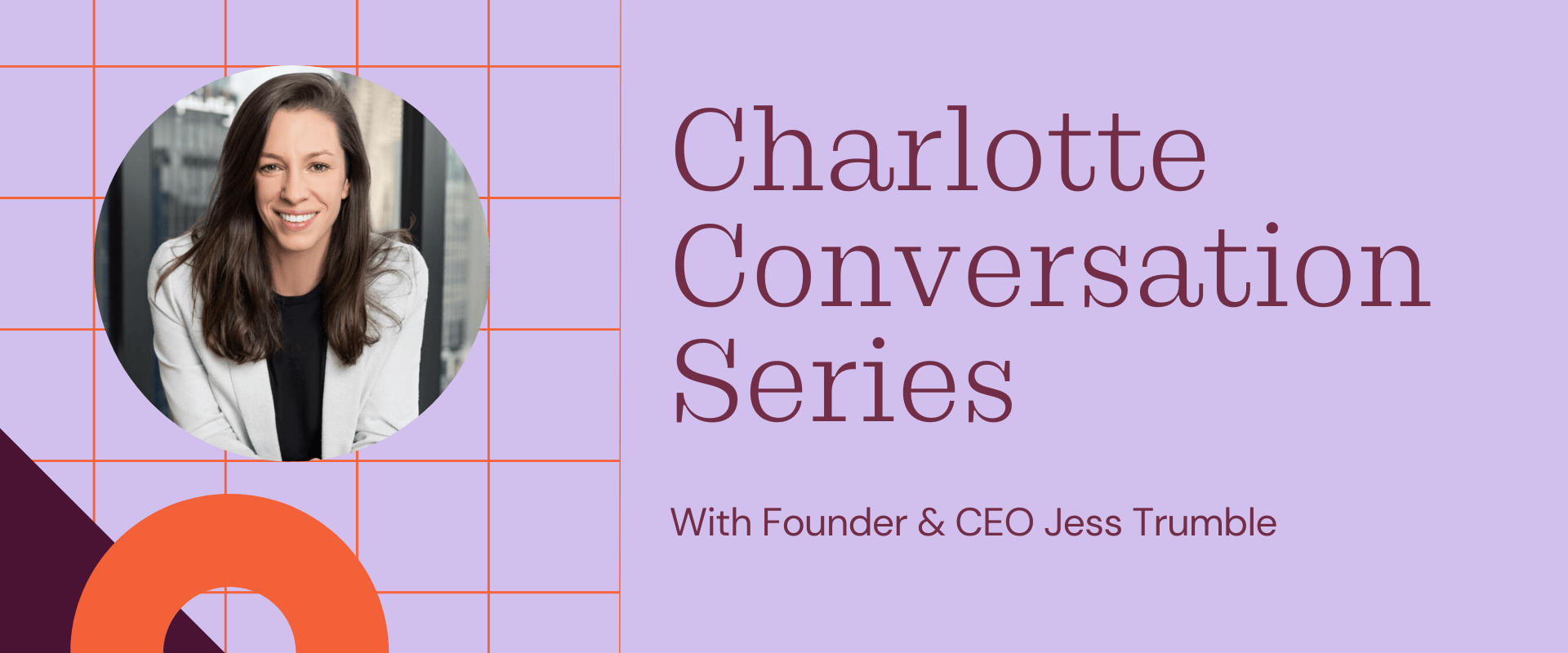
In this article, our Founder & CEO Jessica Trumble talks about the urgency dilemma, what it is and how to help refocus your team’s priorities.
Question 1: What is the “urgency dilemma” and how does it affect People teams?
The complexity of people is that you can never predict what a day involves and People teams are constantly managing a balance of business-as-usual (BAU) and key priorities.
HR gets pulled into all sorts of strategic projects and unplanned priorities - resolving team performance or goal alignment issues, setting and revising KPIs, monitoring performance and reward, handling day-to-day matters and reviewing the workforce, to name a few. All of that takes a huge amount of time and headspace. With everyone feeling like their matter is urgent, People teams are pulled in all directions and because they pride themselves on being available and able to support people when they need it, it can make finding the right balance tricky.
People teams often get stuck in day-to-day BAU, and don’t get the headspace to think more strategically because they’re stuck in that urgent dilemma mindset.
“Many People teams pride themselves on being available and able to support people when they need it.”
Question 2: What are the hidden costs of constantly prioritising urgent tasks over strategic goals?
You set out to do certain things but BAU and unplanned initiatives take over and a year later you’re dusting off the same plan from the year before. This is where People teams can really struggle because it’s difficult to set boundaries and they need to be reactive to the business function. But this can result in a perception that the People team aren’t doing what they said they would do. They need to be savvy about the discipline of committing to just a few strategic priorities and doing them well. A critical component of any strategic People plan is allocating resources and capacity to be able to respond to unplanned priorities. Strategic CPO’s will leave blank space on their annual plan to ensure they can partner where and when the business needs them to.
Over-resourcing can be another issue - feeling like you need more people because each year you’re not getting to your strategic priorities. Your cost base goes up from a headcount perspective but if you’re not demonstrating an uplift in ROI from what the team is delivering, that becomes a difficult conversation with the Exec team overtime. The business case for resourcing People teams is going to become more commercial, more dynamic and will be pressure-tested by Exec leaders and Finance before signing off.
Question 3: How do People leaders assess and prioritise what businesses need the most?
Establish a flexible resourcing model. If internal People teams have external partners - people who know them and understand their business who they can tap into during key moments - they can work in partnership to get the job done. This is where We Are Charlotte provides value through a dynamic resourcing model that flexes up and down.
It’s a commercially-savvy way to resource your team and strike the right balance between urgent and important work. It’s not about taking the interesting work off your internal team, it’s about finding a partner you can work with so you get a sense of progress and completion without having to let everything else go - which is often the tension point for People teams.
Also, People teams need to be tying the initiatives they're working on with the strategic initiatives of the business and clear commercial outcomes.
Focus on the root issues:
- Do teams know what’s expected of them?
- Do managers know how to have performance conversations and set clear expectations?
- Are teams creating value and working towards the right goals?
- Has work been designed in the right way to cultivate genuine high performance and engagement?
“The closer People teams can get to the root cause of what the business is trying to solve, the more they become a valuable and strategic part of the business.”
Question 4: Which strategic areas should People teams be focusing on in 2026?
Productivity, digital efficiency and encouraging a culture of continuous improvement and innovation – constantly asking: “Are we doing the work that makes sense?” Use a framework similar to that of companies like Amazon, who have set a KPI for every employee to ‘Invent’ or ‘Improve’ something within their role. These are the mechanisms that start to drive meaningful shifts over time.
There’s going to be a big push around psychological safety, what this means and how to proactively foster a psychologically safe environment. Businesses will need to assess if their work environments are psychologically safe, upskill their leaders and proactively work to remove hazards and minimise risk to their teams.
AI adoption across teams will be another big focus. Businesses can think laterally: what does work look like in the future? How do we digitally augment capabilities? Do we need to extend to different markets to unlock the existing global talent pool?
Teams should be resourcing to get the most valuable work and generate the best returns for the business to maintain their commercial and competitive edge. We’re all going to be asked to ‘do more with less,’ but rather than seeing this as the pathway to burnout and disillusionment, we can support teams to reimagine what’s possible at work, and unlock new ways to be more effective and efficient in what they do.
--------------------------
We hope you enjoyed this conversation. Want to hear more from the WRC team? Head to our Articles page where the crew covers more of the most common and difficult People & HR challenges we see every month.
Need a people and culture partner who gets it? Reach out to start a conversation of your own around how WRC can support your team with an upcoming project or ongoing support.
More articles & resources
.avif)


Board table to lunch table. We're here to listen.
Every good relationship starts with a conversation, so let's begin there. Please get in touch if you'd like to discuss your People & Culture needs.