
Business leader pressure: A Q&A with Jason Robinson
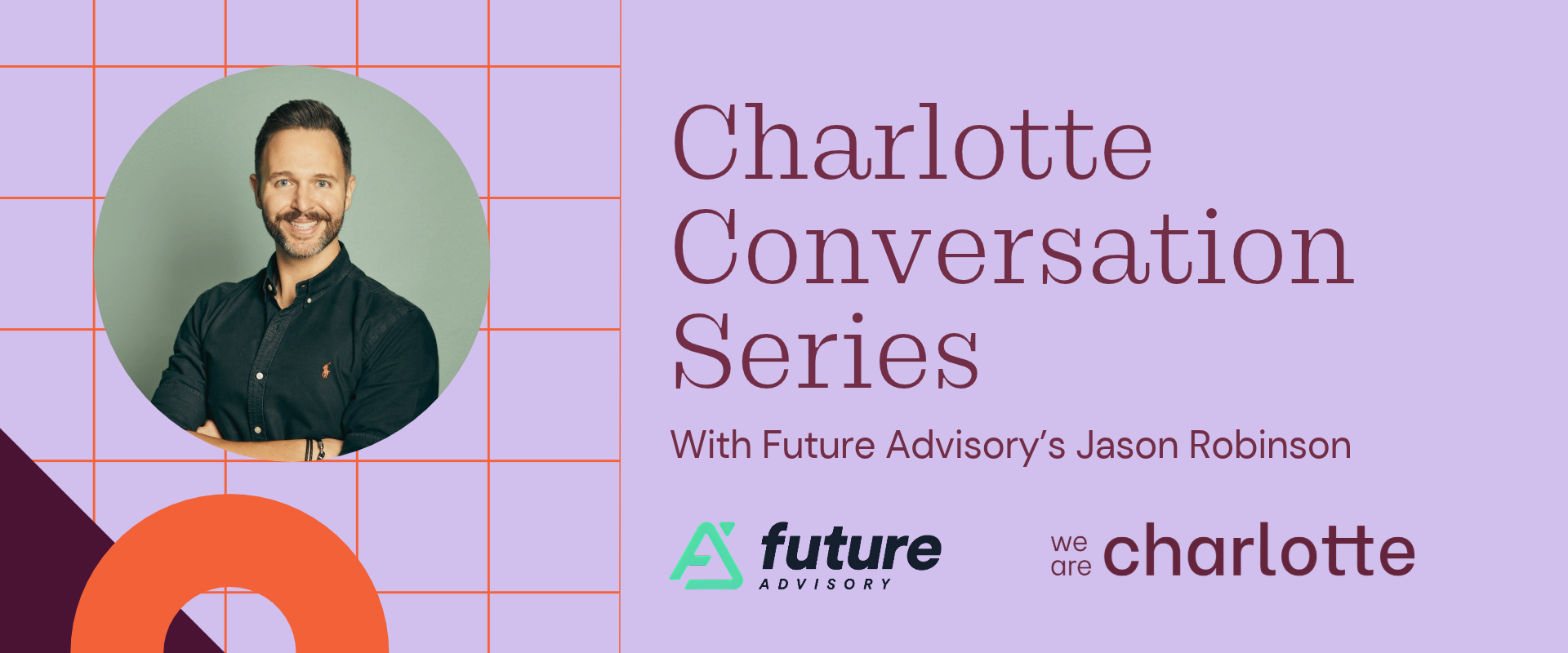

The pressures of founding and leading a fast-growing business have never been higher. And while the adrenaline is often addictive, it's rarely sustainable.
So we sat down with Jason Robinson from Future Advisory – a founder and business leader with more than 10 years under his belt – to chat about what he's learnt along the way and, crucially, how he's survived the highs and lows. From growing too fast in the early days, to the routines and structure that keep him grounded now, here's what he shared.
As the business has grown, what's become harder or heavier than you expected?
There have definitely been moments where it's felt harder and heavier than I expected. But you get used to each new level you have to play at: more people, more clients, more responsibility.
The bigger you get, the more things can (and do) go wrong. Sick leave, human error, client issues and the cash you need in the bank to fund a growing business. Your hours go up before they come down, because you're building a leadership team, and your margins often shrink before they settle again. Each of those hits you in a different way.
Was there a point you realised the way you or the team were working wasn't sustainable?
Yes. In the early days, Greg and I, as founders, were working hours that just weren't sustainable. We grew too fast and took on too much work. Without the right org structure and senior leaders in place, it all ended up landing back on us as the owners.
So we brought in HR support via We Are Charlotte to help us restructure, then invested heavily in senior people who could genuinely have our backs.
Is there anything you used to see as a normal part of startup life that you look at differently now?
Definitely. I used to think startup life was meant to be messy. Unstructured, "just make it happen", get stuff done and work with anyone and everyone so long as they had a dollar.
I see it very differently now: Startups don't have to work that way. You can plan properly, pick a niche to serve well and be strict on systems and processes from day one. It makes building and scaling so much easier than trying to add structure to a business that grew without a clear plan.
Has the way you think about your own stress or working habits, and how they affect the people around you, changed over time?
I'd be lying if I said stress and burnout don't still sneak up on me sometimes. I'm only human. And as good as I think I am at hiding it, it shows up. People can sense when you're not yourself.
At home, it puts pressure on my relationship with my wife Casey when I can't listen or concentrate because my mind is elsewhere. At work, my team feel the brunt of short, abrupt answers when they come to me looking for guidance. I've learnt that my stress is contagious. If I'm running hot, the people around me feel it, so looking after myself is really about looking after them too.
Thankfully, Casey has a great radar for it and knows when to call me out. Those moments are few and far between now compared to more than five years ago, mostly because of the structure I need (and honestly crave). Exercise, sleep and a calendar planned to within an inch of its life (thanks, Bec).
I give it everything from 9 to 5, Monday to Friday, and I'm much more deliberate about holidays (usually chasing a World Marathon Major), days off, family and time to reset and recharge. Journalling, seeing a psychologist and having my own business advisor all help keep me sane. None of that was there at the start.
What have you changed personally or in the business that's made things feel more sustainable?
Personally, it's the habits I mentioned above: routine, firmer boundaries around my time and the right support around me.
In the business, it comes back to structure. We've built out more senior leadership and more shared responsibility, and Greg and I now have dedicated, clearly defined roles as directors.
We've also become much more deliberate about who we work with: clients who fit what we want to achieve and who we genuinely work well with. That's meant fewer clients and deeper relationships. And we keep exploring and using tech to take the pressure off the team.
Thank you to Jason for having this conversation with us. We hope you enjoyed it.
Need a people and culture partner who gets it? Reach out to start a conversation of your own around how WRC can support your team with an upcoming project or ongoing support.
More articles & resources



Board table to lunch table. We're here to listen.
Every good relationship starts with a conversation, so let's begin there. Please get in touch if you'd like to discuss your People & Culture needs.


